
Road force balancing
At 100 km/h, an average tyre rotates approximately 850 times per minute. Due to this high rotation speed, even minor variations in wheel balance, sidewall stiffness, or tyre roundness can cause repeated impact against the road surface—up to 14 times per second. This effect is particularly noticeable in high-performance vehicles and SUVs, where such feedback can translate to poor ride quality and bothersome vibrations. Excessive vibrations can also lead to premature tyre wear and damage to suspension and steering components.
Causes of Vehicle Vibration
Vehicle vibration can be caused by several factors including:
Out-of-balance wheels
Force variation (areas of increased stiffness in the tyre)
Lateral and radial runout (low or high points in tyre structure)
Incorrect tyre pressure
Misalignment
Damaged or worn steering and suspension components
Worn steering and suspension components
Mounting errors at the axle or hub
Worn or failing brake, drivetrain, or engine components
While tyre manufacturing is highly precise, minor inconsistencies in weight, stiffness, or balance are inevitable. These inconsistencies cause disruptions, known as runout and force variation, which are noticeable as vehicle vibrations. When standard balancing doesn’t resolve these issues, advanced services such as match mounting and road force balancing are required. These methods rely on high-precision equipment, which is not widely available due to its cost.
Advanced Diagnostic Balancing System
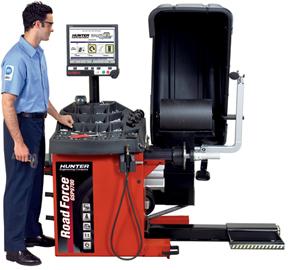
To eliminate all wheel-related vibration issues, we use the Hunter GSP9700 Vibration Control System, which measures radial and lateral tyre forces to address complex ride and handling issues, including tyre pull and vibrations. Unlike standard balancers, the GSP9700 diagnoses imbalances across multiple planes and is endorsed by leading vehicle manufacturers as a standard for new tyre installations.
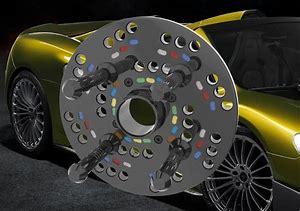
Additionally, we use the CenTor balancing plate with this system, which replicates the vehicle’s bolt pattern for precise alignment on the balancer. This approach ensures that each wheel is balanced in exactly the same way it will behave on your vehicle, eliminating any discrepancies between shop and road conditions.
In the past, most tyres were tall, with a significant distance from the wheel to the tread. This flexible sidewall helped absorb road imperfections. Today’s performance tyres, however, typically have a lower profile, with shorter and stiffer sidewalls. This construction amplifies minor surface flaws, resulting in more pronounced vibrations being transferred into the vehicle.
When to Consider Diagnostic Balancing
Diagnostic balancing is a beneficial option in certain scenarios:
When optimal ride quality is crucial for high-performance vehicles with low-profile tyres
For large 4×4 tyres that may experience greater “force variation” due to their size and usage
For vehicles with persistent vibration issues that have not been resolved by standard balancing attempts
As a specialized service, diagnostic balancing requires advanced equipment and is time-intensive, so it is typically charged at a premium. However, not every customer will need or choose to invest in this service. We offer a complimentary assessment to determine if diagnostic balancing is suitable for your vehicle, helping you make an informed decision based on your specific needs.